AI 融入語文教學之差異化學習設計——以「品嚐美食的滋味」單元為例
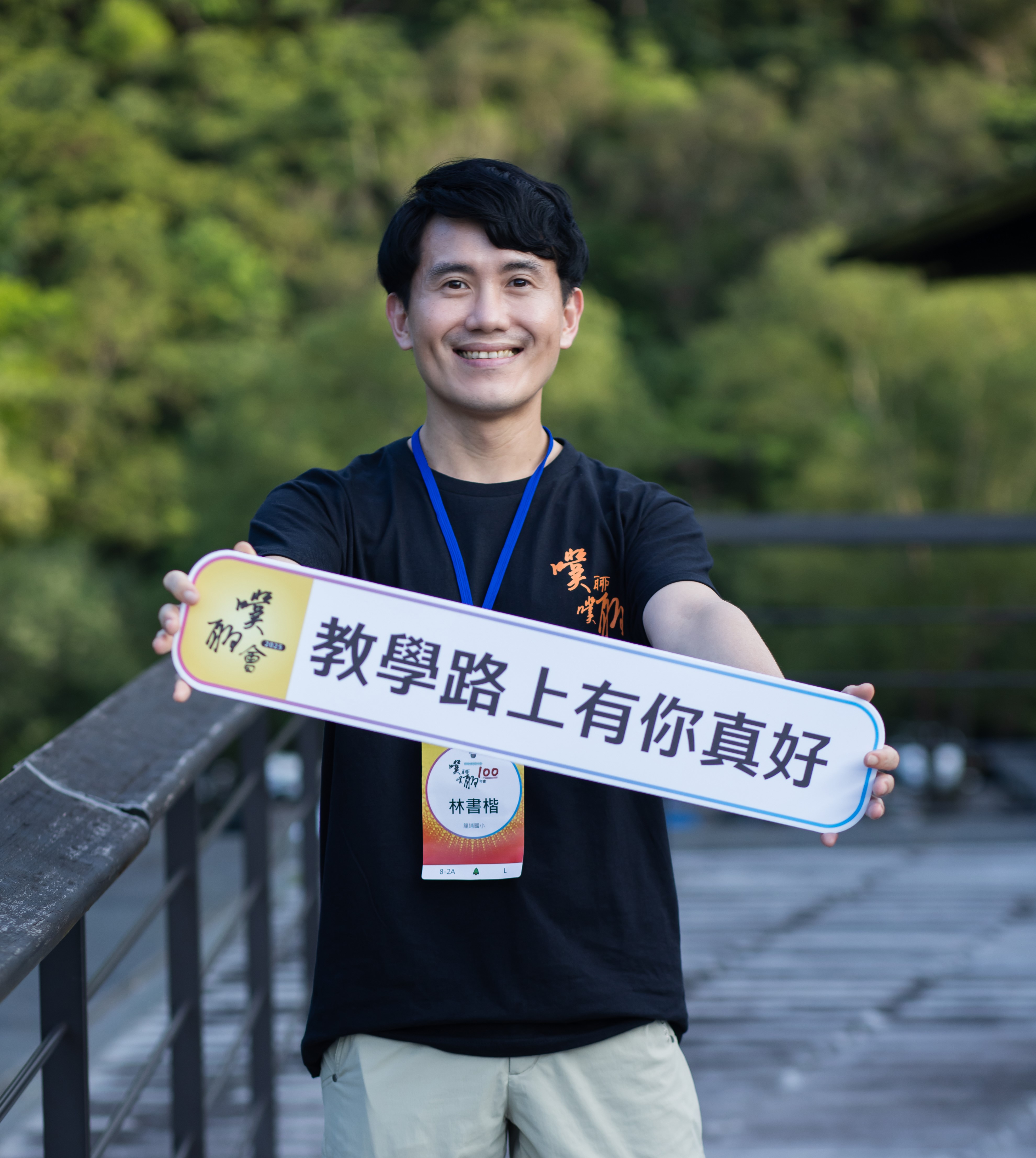
講者/Speaker: 林書楷, LIN SHUKAI
透過 AI 輔助建立學習支持系統,解決傳統語文教學的困境,讓學生的思考歷程得以被記錄與引導 。
傳統語文教學常面臨學生學習歷程隱而未顯、差異化教學難以落實,以及學生因害怕評價而降低表達意願等困境 。同時,學生的表達多停留在表層描述,缺乏聯想與轉化能力 。本教學設計旨在探討如何透過導入人工智慧(AI),建立低焦慮的學習支持系統,引導學生將靜態的「事實句」轉化為具備情感與畫面感的「詩句」 。
本課程結合雙軌學習鷹架進行差異化教學設計 。在課堂教學中,運用 Padlet 進行同步引導與集體討論,協助學生建立基礎觀察與句型能力 。在課後學習中,則運用 Canva AI 設計「詩歌冒險島」任務與對話機器人,讓學生進行一對一的自主探索與練習 。透過與 AI 反覆對話,學生能在引導下一步步進行動作延伸、性格賦予(擬人化)及聯想擴展(比喻與象徵) 。
實施結果顯示,本設計在量化與質化上皆具顯著成效。量化數據指出,80% 以上的學生能順利完成詩句創作 ,70% 以上的學生能運用修辭(比喻或擬人) ,且學生的語句長度與描述層次皆顯著提升 。質化分析則顯示,AI 互動模式大幅提升學生的學習動機與投入度 。此外,學生的學習歷程得以被數位化記錄與可視化,使教師能精準掌握思考發展軌跡 ,進而有效落實差異化教學,讓不同能力的學生皆能獲得適切支持並穩定進步 。
將 AI 科技融入語文教學,能將學習從單一的「結果導向」轉變為可被看見、分析與支持的「歷程」 。此教學模式不僅提升了語文學習的可評估性,亦具備跨文本與跨情境的可擴散性 ,最終能幫助每位學生在適合自己的節奏中,學會如何將想法轉化為深刻的表達 。
By establishing a learning support system with AI assistance, this approach addresses the challenges of traditional language arts instruction, allowing students' thinking processes to be recorded and guided. Traditional language arts instruction often faces dilemmas where students' learning processes remain hidden, differentiated instruction is difficult to implement, and students' willingness to express themselves is lowered due to the fear of evaluation. At the same time, students' expression often remains at a superficial descriptive level, lacking the ability to associate and transform ideas. This instructional design aims to explore how integrating Artificial Intelligence (AI) can establish a low-anxiety learning support system, guiding students to transform static "factual sentences" into "poetic sentences" filled with emotion and imagery. The course incorporates a dual-track learning scaffold to implement differentiated instruction. In classroom teaching, Padlet is utilized for synchronous guidance and collective discussion, assisting students in building fundamental observation and sentence structure skills. For after-school learning, Canva AI is used to design the "Poetry Adventure Island" task and a conversational chatbot, enabling students to engage in one-on-one autonomous exploration and practice. Through repeated conversations with AI, students are guided step-by-step to perform action extension, character endowment (personification), and associative expansion (metaphor and symbolism). Implementation results show that this design has achieved significant outcomes both quantitatively and qualitatively. Quantitative data indicates that over 80% of students can successfully complete poetry creation , over 70% of students can apply rhetorical devices (metaphor or personification) , and there is a significant improvement in both the length of students' sentences and their descriptive levels. Qualitative analysis reveals that the AI interaction model substantially enhances students' learning motivation and engagement. Furthermore, students' learning processes can be digitally recorded and visualized, allowing teachers to accurately grasp the developmental trajectory of their thinking , thereby effectively implementing differentiated instruction so that students of varying abilities can receive appropriate support and make steady progress. Integrating AI technology into language arts instruction can shift learning from a purely "results-oriented" approach to a "process" that can be seen, analyzed, and supported. This teaching model not only improves the evaluability of language arts learning but also possesses the scalability to be applied across different texts and contexts , ultimately helping every student learn how to translate their thoughts into profound expressions at their own suitable pace.
- 論文全文:AI 融入語文教學之差異化學習設計——以「品嚐美食的滋味」單元為例
- 影像: 相關影片