沉浸式VR元宇宙繪本專題
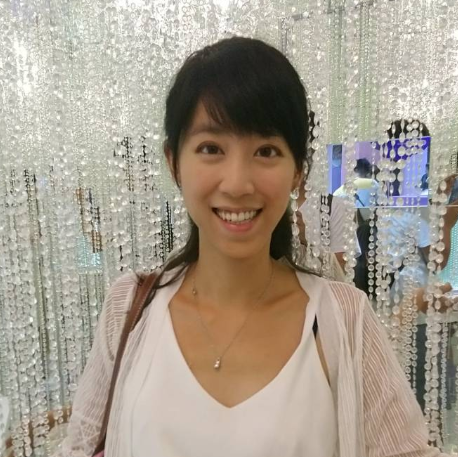
講者/Speaker: 汪檍, YI WANG
本課程以「沉浸式 VR 元宇宙繪本專題」為主題,結合文學閱讀、3D 空間建構與多元 AI 工具,發展一套適用於高中課程的跨域數位創作教學模式。學生從文學文本出發,進行場景分析、角色設計、視覺轉譯與沉浸式空間建置,並運用 Firefly、DZINE、Tripo AI 與 Mixamo 等工具,完成從文字概念、2D 圖像、3D 模型到角色動畫的創作流程。最終成果匯入 Spatial 元宇宙平台,形成可透過電腦、平板與 VR 頭盔體驗的數位遠距沉浸式走讀繪本。
本設計回應高中藝術與數位創作課程中常見的技術門檻高、學生能力差異大、課程時數有限與專題成果品質不均等問題。透過多 AI 工具串接式工作流程,學生即使在繪圖、建模或動畫能力上有所差異,也能在小組中找到適合的創作角色,提升參與感與創作自信。導入 AI 後,角色與場景製作時間明顯縮短,專案完成效率提升,課堂重心也由技術操作轉向文本詮釋、空間敘事與創意設計。
本課程的創新之處在於將學生從沉浸式教材的使用者轉化為創作者,並建立可持續累積的校本沉浸式閱讀教材庫。透過「學生創作即教材」的生成型學習模式,課程成果不僅可供校內展示,也可延伸至中小學遠距共讀、跨校交流與數位閱讀推廣,展現 AI 與元宇宙技術在藝術教育與閱讀教育中的應用潛力。
This project, titled Immersive VR Metaverse Picture Book Project, integrates literary reading, 3D spatial construction, and multiple AI tools to develop an interdisciplinary digital creation model for high school education. Starting from literary texts, students analyze narratives, design characters and scenes, translate textual content into visual concepts, and construct immersive digital spaces. By using tools such as Firefly, DZINE, Tripo AI, and Mixamo, students complete a production workflow from text-based ideation and 2D visual design to AI-assisted 3D modeling and character animation. The final works are imported into the Spatial metaverse platform, creating immersive digital picture books that can be experienced through computers, tablets, and VR headsets.
The project addresses common challenges in high school art and digital content creation courses, including high technical barriers, limited instructional time, varied student abilities, and uneven project outcomes. Through a connected AI-assisted workflow, students with different levels of drawing, modeling, or animation skills can each contribute meaningfully to group projects. The use of AI tools reduces technical obstacles, increases production efficiency, and allows the course focus to shift from software operation to literary interpretation, spatial storytelling, character development, and creative design.
The key innovation of this course lies in transforming students from consumers of immersive learning materials into creators of educational content. The project also establishes a sustainable school-based repository of immersive reading materials. Through this generative project-based learning model, students’ works can be used not only for classroom presentation but also for remote shared reading, interschool collaboration, and digital reading promotion. This demonstrates the educational potential of integrating AI and metaverse technologies into art education and literacy learning.
- 論文全文:沉浸式VR元宇宙繪本專題
- 影像: 相關影片