故宮畫作裡的動物群像—視聽文物新生命
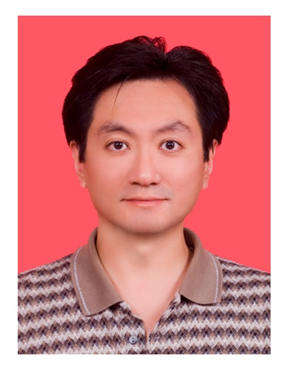
講者/Speaker: 陳祥, CHEN SHIARNG
主題名稱: 故宮畫作裡的動物群像———視聽文物新生命
設計者: 陳祥(新北市立永平高中教師)
設計理念與動機
本教案旨在解決傳統博物館教學中,學生對靜態古畫感到枯燥且有距離感的痛點 。透過結合藝術鑑賞、歷史文化(如清宮畫家郎世寧生平)與科技應用,落實聯合國永續發展目標 SDG 4(優質教育)與 SDG 9(產業創新) 。課程引導學生將深度的文化考據轉化為精準的 AI 指令(Prompt),以此提升科技素養,並同步實施 AI 智慧財產權與倫理法規教育 。
核心創新:視聽合一的 AI 創作鏈
本設計建構了一套完整的「多模態生成」工作流(Pipeline),包含四大步驟 :
1.圖像生成與修復: 使用 Bing Image Creator 模擬郎世寧「中西合筆」的藝術風格 。
2.圖轉影 (Image-to-Video): 運用 DeeVid AI、Pollo AI、Runway 或 Genape AI,將故宮經典動物畫作(如《十駿犬》、《鳥譜》)活化為動態影像 。
3.圖生樂 (Image-to-Music): 透過 ChatGPT 將畫作意境轉譯為英文提示詞,再由 Suno AI 生成符合氛圍的背景音樂 。
4.後製剪輯與互動: 藉由 Movavi 進行視聽整合,並利用 Rakugaki AR 進行 2D 轉 3D 的破冰互動體驗 。 此外,課程亦引入 Google NotebookLM 的 RAG(檢索增強生成)技術,確保學生獲取的歷史典故具備準確性 。
具體成效
•量化指標: 成功活化 4 類以上故宮文物 ;參與學生達 100% 掌握至少 5 種生成式 AI 工具 ;在 AIGC 著作權法規認知及 SDGs 目標實踐上均達 100% 普及率 。
•質化效益: 學生由「被動觀看」轉為「主動創造」 ,在體驗式學習中深化了文化底蘊,並建立起「負責任使用 AI」的科技倫理觀 。
Title: Animal Portraits in Palace Museum Paintings: New Audio-Visual Life for Cultural Relics
Designer: Xiang Chen (Teacher at New Taipei Municipal Yong-Ping High School)
Design Philosophy & Motivation
This instructional design aims to address the disinterest and sense of distance students often experience when analyzing static ancient paintings in traditional museum education. By integrating art appreciation, historical culture (such as Giuseppe Castiglione's court paintings), and cutting-edge technology, this course aligns with SDG 4 (Quality Education) and SDG 9 (Industry, Innovation, and Infrastructure). Students are guided to transform deep cultural research into precise AI prompts, improving their technological proficiency while exploring AI-related intellectual property rights and ethical issues.
Core Innovation: An Audio-Visual Integrated AI Creative Chain
The project establishes a comprehensive multimodal generative pipeline consisting of four major stages:
1.Image Generation & Restoration: Utilizing Bing Image Creator to simulate Castiglione's fusion of Western and Chinese painting techniques.
2.Image-to-Video: Employing DeeVid AI, Pollo AI, Runway, or Genape AI to animate static animals from National Palace Museum masterpieces (e.g., Ten Prize Dogs, Manual of Birds).
3.Image-to-Music: Using ChatGPT to translate the visual atmosphere into English style prompts, which are then imported into Suno AI to generate contextual background music.
4.Post-Editing & Interaction: Conducting final audio-visual integration with Movavi, and using Rakugaki AR as an ice-breaking tool to transform 2D sketches into 3D animations. Additionally, Google NotebookLM's RAG (Retrieval-Augmented Generation) architecture is introduced to ensure historical accuracy and prevent AI hallucinations.
Tangible Outcomes
•Quantitative Results: Successfully "revitalized" over 4 categories of classic cultural relics. 100% of participating students mastered at least 5 generative AI tools. Furthermore, a 100% achievement rate was reached regarding students' awareness of AIGC copyright regulations and the practice of SDGs.
•Qualitative Benefits: Students shifted from "passive viewing" to "active creation," deepening their cultural literacy through experiential learning while cultivating a responsible ethical mindset toward utilizing AI technology.
- 論文全文:故宮畫作裡的動物群像—視聽文物新生命
- 影像: 相關影片