梗枋國小 小小閱讀家打卡牆
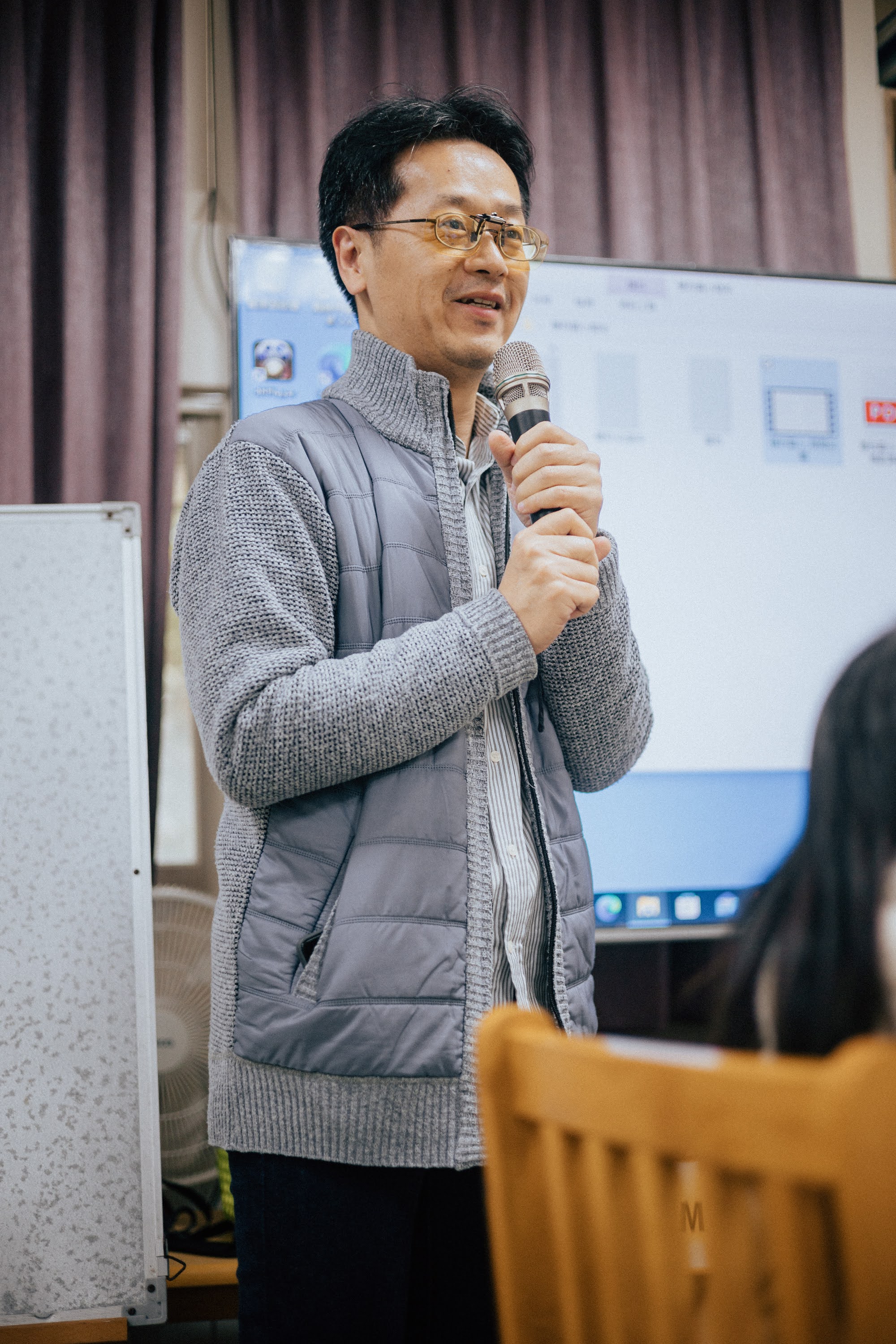
講者/Speaker: 陳宣霖, Chen Hsuan Lin
在數位載具與遊戲充斥的世代,提升學童的閱讀動機並建立長期的閱讀習慣,成為教育現場的重要挑戰。本專案以宜蘭縣梗枋國小為實踐場域,設計靈感源自蔡孟耘老師提倡的「每日閱讀便利貼」做法。透過將實體短文分享全面數位化,旨在卸下傳統長篇學習單的書寫重擔,讓學生能以輕鬆、無負擔的方式,點滴記錄每一次的閱讀足跡。為解決傳統閱讀紀錄單向、缺乏互動的侷限,本專案運用生成式 AI(Gemini)輔助,結合無伺服器架構(Google 試算表與 Google Apps Script),自主開發出「小小閱讀家」線上打卡牆。
本專案在技術與教學設計上具備數位化的三大優勢:
一、遊戲化與社群互動:導入動態成就徽章、自訂區間排行榜、熱門書單,以及按讚與留言機制,將孤立的閱讀行為轉化為具備高度黏著度的同儕共讀生態圈。二、素養導向的原創保護:系統內建前端「防貼上」攔截機制與「30 字心得門檻」,搭配溫暖的正向引導語,防堵敷衍抄襲,引導學生進行真實的文字反思。
三、數據驅動與親師賦能:建立個人閱讀數據儀表板與系統通知,並以直覺的試算表作為行政後台,有效支援校內推動系統性的閱讀獎勵機制。
在實施策略上,本專案緊密整合行政資源、教學現場與家庭教育。行政端每月定期舉辦「閱讀里程碑」獎勵活動,除表揚達標的班級與個人外,更從後台精選出優質的打卡金句與全校分享,樹立同儕學習典範;對外透過班親會與學校官方 LINE 選單串接,協助家長於家中進行親子共讀與打卡;對內則結合彈性課程的圖書館時光及夜光班課後時段,由教師實體引導學生的閱讀與表達。實踐歷程表明,透過 AI 輔助開發的客製化教育科技(EdTech),不僅能精準解決校本需求,更能透過數位工具的串聯與親師生的共同陪伴,讓閱讀在孩子的生命中沉澱為持久的習慣。
Abstract
In an era dominated by digital devices and games, enhancing students' reading motivation and establishing long-term reading habits has become a significant challenge in education. This project, implemented at Gengfang Elementary School in Yilan County, draws inspiration from the "Daily Reading Sticky Notes" practice advocated by Teacher Tsai Meng-yun. By comprehensively digitizing the sharing of physical short texts, the project aims to relieve the burden of traditional lengthy reading worksheets, allowing students to record their reading footprints in a relaxed and stress-free manner. To overcome the limitations of traditional, one-way reading records that lack peer interaction, this project utilized generative AI (Gemini) to assist in developing the "Little Reader" online check-in wall, utilizing a serverless architecture powered by Google Sheets and Google Apps Script.
In terms of technological and instructional design, the project features three major digital advantages:
Gamification and Social Interaction: By introducing dynamic achievement badges, custom-range leaderboards, popular book lists, as well as "like" and comment mechanisms, it transforms isolated reading behaviors into a highly engaging peer co-reading ecosystem.
Literacy-Oriented Originality Protection: The system incorporates a built-in front-end "anti-paste" interception mechanism and a "30-word minimum" threshold for reflections. Paired with warm, positive prompts, it prevents superficial copying and guides students toward genuine written reflection.
Data-Driven Empowerment for Teachers and Parents: It establishes personal reading data dashboards and system notifications, utilizing an intuitive spreadsheet as the administrative backend to effectively support the school's systematic reading reward mechanisms.
Regarding implementation strategies, the project closely integrates administrative resources, classroom instruction, and family education. On the administrative side, monthly "Reading Milestone" reward activities are held; in addition to recognizing classes and individuals who meet their goals, high-quality quotes from student check-ins are curated from the backend and shared with the entire school to establish peer learning models. Externally, through parent-teacher meetings and integration with the school's official LINE menu, parents are supported in guiding and logging parent-child reading at home. Internally, teachers physically guide students in reading and expression during flexible curriculum library times and after-school programs.
The implementation process demonstrates that customized educational technology (EdTech) developed with AI assistance can not only precisely address school-based needs but also—through the integration of digital tools and the collaborative companionship of teachers, parents, and students—cultivate reading into a lasting habit in children's lives.