AI 營養偵探:零食智慧選與鮮乳幸福實踐
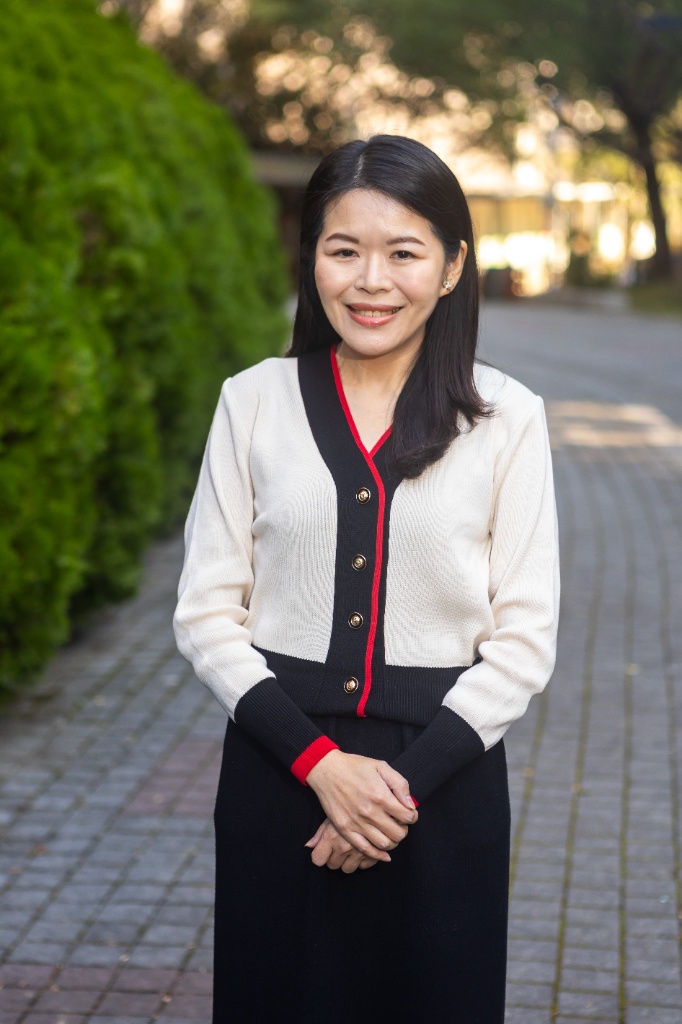
講者/Speaker: 林雍敏, LIN, YUNG-MIN
本文旨在以 SPARK AI 教學模組為架構之教學應用設計,以康軒版六年級下學期健康課程第一課「食物的旅程」為單元脈絡,設計名稱為「AI 營養偵探:零食智慧選與鮮乳幸福實踐」,共規劃 4 節課,共160 分鐘的課程。SPARK AI 模組的核心精神為「以AI點亮你的未來」(Spark Your Future with AI),透過啟動情境(Set the Stage, S)、探究問題(Problem Explore, P)、應用 AI 工具(Apply AI Tools, A)、反思創作(Reflect and Create, R)、分享實踐(Keep it Real, K)五個階段,引導學習者從真實情境出發,完成從數據探究到社會行動的完整學習歷程。
本設計的起點來自兩個教育現場的觀察:其一,食品營養標示對六年級學生而言具有高度認知負荷,「每 100 公克」、「本包裝含幾份」等數據難以與健康選擇建立有效連結,學生缺乏主動判讀的動機;其二,新北市推動「鮮奶幸福週—生生喝鮮乳」政策,提供學生每週領取指定乳品的福利,本設計思考如何讓 AI 成為橋樑,將枯燥的數據判讀轉化為學生主動爭取健康福利的決策行動。
在教學設計的核心創新上,本課程建立了一套「從抽象數據到具體實踐」的 AI 協作路徑,體現於三個層次。第一,採用「層次遞進的數據決策架構」,學生依序經歷「五大健康金標初篩」、「熱量密度分析」與「三大營養素比例深度剖析」三個階段,從「基礎達標」逐步進入「優質均衡」的判斷層次,避免對 AI 結論的盲從,培養獨立數位素養。第二,本設計採用教育部開發之「因材網 e-度」作為核心 AI 對話工具,以「蘇格拉底式對話模型」取代直接給予答案的模式:學生需先完成數據轉譯(將包裝標示輸入為結構化數據),再透過 Prompt 引導 AI 提出反問(如計算脂肪熱量佔比),在人機協作中完成高階思維訓練。第三,本設計實踐差異化動態鷹架,對運算能力較強的學生,引導透過 e-度的邏輯詰問自主列式推導;對運算能力較弱或有特殊需求的學生,採「數據委託」模式,讓 AI 協助複雜運算,學生專注於解讀結果與健康決策,確保課堂不再出現「因算不出而放棄」的困境。
在量化成效方面,引入因材網AI-e度,透過蘇格拉底式對話,學生完成三大營養素熱量比例判讀的平均時間從傳統教學的 15-20 分鐘縮短至 5 分鐘以內,有效提升學習效率。學生對於「合格但不均衡」零食(如脂肪比例過高)的正確辨識率,從未施予 AI 協作前的 35% 提升至 90% 以上。結合「生生喝鮮乳」計畫,班級預期定期兌領率可達 95% 以上,健康宣導影音分享至家庭社群後,預期家庭觸達率達 100%,並帶動至少 80% 的家庭重新檢視家中零食成分。
在質化成效方面,本設計促成學生從「依賴 AI」轉向「思辨 AI」,體會 AI 是「思考的幫手」而非「計算機」,有效培養批判性數位素養。AI 的介入降低了跨學科數學運算的焦慮感,讓學生得以將精力集中於健康決策的高階思維,整體學習動機顯著提升。此外,學生透過多模態影音創作(Canva AI)與牛奶舞行動,從被動受教者轉化為具備社會影響力的「健康領航員」,影音作品分享至家庭群組後,不僅有效推廣「生生喝鮮乳」政策紅利,更強化了親師生之間的溝通橋樑。
本課程教案與學習單的設計深度結合 Gemini 生成式 AI 作為備課協作夥伴,此「人機共創」備課模式有效縮短教學轉化的行政耗損,並透過 AI 提供多元觀點,優化差異化教學的引導策略。教學省思方面,本設計亦對教育現場的五項關鍵觀察進行了系統性反思:學習主體性的展現、人機協作中「生產性挫折」的教育價值、1:1 載具下數位自我調控素養的培養、AI 賦能備課的教師實踐效能,以及課程節奏與數位產出之間的彈性延伸策略。
本設計的核心教育價值在於,它不僅是一個健康教育課程,更是 AI 素養教育的實踐場域,學生在真實問題情境中學習如何善用 AI 作為思考媒介、如何判斷 AI 回應的品質、如何將 AI 協作成果轉化為社會影響力。SPARK AI 模組所強調的「Spark Your Future with AI」,正是透過此課程得到最具體的體現:透過 AI 點燃學生對數據的好奇、對健康的責任,以及對社區的關懷行動力。
關鍵詞:SPARK AI 教學模組、因材網、人機協作、差異化教學
This paper presents an instructional application design centered on the SPARK AI Teaching Module, implemented within the context of a sixth-grade health education unit titled "AI Nutrition Detective: Smart Snack Choices and New Taipei City's Fresh Milk for Every Student Policy." Aligned with the Kang Hsuan textbook series (Grade 6, Semester 2, Health Education Unit 1: "The Journey of Food"), the course spans four class periods (160 minutes) and integrates three digital tools: the government-developed AI platform Edu, and Canva AI. The SPARK AI module — an acronym for Set the Stage (S), Problem Explore (P), Apply AI Tools (A), Reflect and Create (R), and Keep it Real (K) — embodies the spirit of "Spark Your Future with AI," guiding learners through an unbroken learning journey from authentic data inquiry to real-world civic action.
The design originates from two key observations in the classroom. First, nutritional labels on food packaging present a high cognitive load for sixth-grade students: figures such as "per 100 grams" or "servings per package" rarely translate into meaningful health decisions, and students lack the motivation to interpret them independently. Second, New Taipei City's "Fresh Milk for Every Student" policy offers every student a weekly serving of designated dairy products (fresh milk or soy milk); this policy presented an opportunity to ask: how can AI serve as a bridge, transforming dry data literacy into a student-driven decision to claim a concrete health benefit?
The core instructional innovation of this design lies in establishing a structured AI collaboration pathway moving "from abstract data to concrete practice," realized through three interconnected layers. The first is a tiered data decision-making architecture: students proceed through three sequential checkpoints — (1) the Five Gold Standard Criteria (sugar, sodium, carbohydrates, saturated fat, and trans fat), (2) caloric density analysis, and (3) macronutrient caloric ratio analysis — progressing from "basic compliance" to "nutritional quality" judgment. This progression is intentionally designed to prevent uncritical acceptance of AI conclusions and to cultivate independent digital literacy. The second innovation is the application of a Socratic AI dialogue model using the Ministry of Education-developed tool Edu Rather than providing direct answers, Edu poses questions that guide students to reason through the data themselves: students first perform "data translation" (converting package labels into structured numerical inputs), then submit targeted prompts that invite Edu to ask follow-up questions (such as: "How do we calculate the percentage of calories from fat?"), thereby engaging in higher-order thinking through human-AI collaboration. The third innovation is differentiated dynamic scaffolding: for students with stronger computational skills, Edu 's Socratic questioning guides them to independently derive caloric ratio formulas; for students with weaker math skills or special learning needs, a "data delegation" mode allows Edu to perform complex division and percentage conversions while students focus their cognitive energy on interpreting results and making health decisions. This design ensures that no student is left behind due to mathematical barriers.
Quantitative outcomes demonstrate significant gains. Following the introduction of Socratic AI dialogue, the average time for students to complete macronutrient caloric ratio analysis fell from 15–20 minutes (traditional instruction) to under 5 minutes, representing improvement in efficiency. Students' ability to correctly identify snacks that "pass basic standards but lack nutritional balance" (e.g., those with excessive fat ratios) rose from approximately 35% (pre-AI-collaboration) to over 90%. In connection with the Fresh Milk for Every Student initiative, the projected weekly redemption rate for the class is expected to reach 95% or above. After distributing student-produced health advocacy videos to family communication groups, the projected household reach rate is 100%, with at least 80% of families expected to re-examine the nutritional composition of snacks stored at home.
Qualitative outcomes are equally meaningful. The design successfully guided students to shift from "relying on AI" to "critically engaging with AI," experiencing firsthand that AI functions as a thinking scaffold rather than an answer machine, thereby cultivating critical digital literacy. The AI's mediation of complex calculations significantly reduced students' cross-disciplinary math anxiety, freeing cognitive resources for the higher-order thinking required in health decision-making, and noticeably boosting overall learning motivation. Furthermore, through multimodal video creation with Canva AI and the Milk Dance activity, students transitioned from passive learners into "Health Navigators" with genuine social influence. Their video works, shared with family networks, both promoted New Taipei City's dairy policy and strengthened the communication bridge among students, teachers, and parents.
It is also noteworthy that the lesson plan and student worksheets for this course were co-designed using Gemini as an AI collaboration partner — a "human-AI co-creation" approach that substantially reduced the administrative burden of instructional design while enriching the differentiated scaffolding strategies through AI-generated perspectives. Five reflective themes arising from classroom observation are documented: the emergence of learner agency, the educational value of productive struggle in human-AI collaboration, the cultivation of digital self-regulation in a 1:1 device environment, the effectiveness of AI-empowered lesson planning, and strategies for balancing pacing with flexible digital production output.
The deeper educational significance of this design is that it serves not only as a health education course but also as a practical arena for AI literacy education. Students learn — within a real-world problem context — how to use AI as a medium for thought, how to evaluate the quality of AI-generated responses, and how to translate AI-assisted insights into social impact. The SPARK AI module's founding principle, "Spark Your Future with AI," finds its most concrete expression here: igniting students' curiosity about data, their sense of responsibility for their own health, and their capacity to act on behalf of their community.
Keywords: SPARK AI Teaching Module, Taiwan Adaptive Learning Platform, TALP, Human-AI Collaboration, Differentiated Instruction
- 論文全文:AI 營養偵探:零食智慧選與鮮乳幸福實踐
- 影像: 相關影片