翻轉聯絡簿:真實情境下的AI人機協作與在地媒體素養實踐
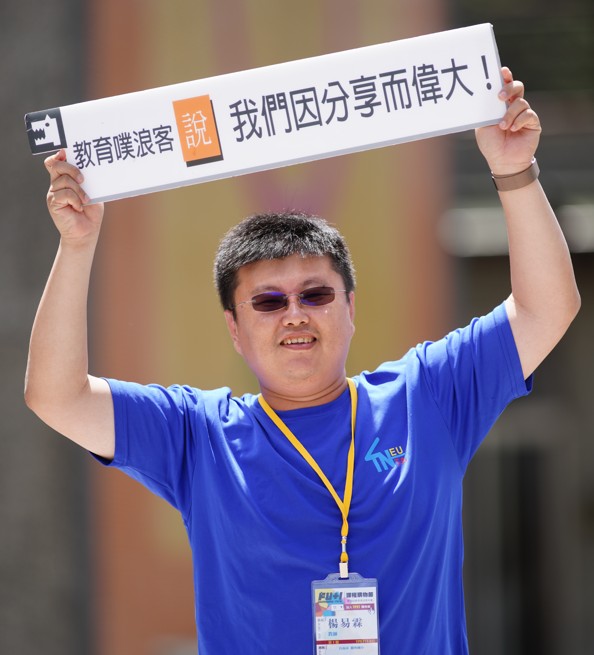
講者/Speaker: 楊易霖, YANG,YI-LING
本教學實踐從學生的一個疑問開始:「我們做了這麼多家鄉 Podcast,為什麼知道的人這麼少?」樹林國小六年級學生在推廣在地節目時發現,內容再好,如果沒有被真正的受眾看見,就很難產生影響。於是,孩子們不再只停留在「做好作品」,而是進一步思考:家長每天一定會接觸的媒介是什麼?最後,他們決定把原本較少被主動收聽的 Podcast 內容,轉化成家長與學生每天都會翻閱的「在地特色聯絡簿」,讓七股的信仰文化、鹽分文學、地方產業與生態故事,能自然走進家庭生活之中。
課程設計結合 DFC「感受、想像、實踐、分享」歷程,帶領學生從發現問題、調查需求、討論版面,到完成內容設計與公開發表。面對大量的文字、圖像與排版需求,學生導入生成式 AI 作為協作工具,透過結構化提示詞,使用 Gemini 協助產出在地文史、七股小語、英文例句與情境圖像,再搭配 Excel 整理問卷數據、Word 合併列印完成聯絡簿排版。然而,AI 並不是標準答案。課程中特別引導學生面對 AI 可能出現的錯誤,透過資料比對、地方專家校稿與版權標示,學習如何為自己公開發布的內容負責。
本專案由 4 位六年級學生完成約 100 頁的聯絡簿內容,並依據約 40 份問卷回饋調整版面與內容安排。最終,專案獲得樹林寶安宮 25,000 元經費支持,印製超過 200 本實體聯絡簿,提供七股區 10 所國小五、六年級學生與家庭使用。這份聯絡簿不只是學生作品,也是真正進入社區與家庭的公共媒體。
透過這次課程,學生不只學會使用 AI,更學會在真實任務中判斷資訊、修正內容、與他人溝通,並理解媒體作品一旦被公開,就需要承擔查證與傳播責任。本教學實踐顯示,AI 融入教育的價值,不只是讓產出更快,而是讓孩子有機會在真實情境中解決問題,並在家鄉文化、媒體素養與公民責任之間,建立更深的連結。
This teaching practice began with a question raised by the students: “We have created so many podcasts about our hometown, but why do so few people know about them?” While promoting their local podcast programs, sixth-grade students at Shulin Elementary School realized that even high-quality content can have limited impact if it does not truly reach its audience. Therefore, instead of stopping at “completing a project,” the students began to think further: What kind of medium do parents encounter every day? In the end, they decided to transform podcast content, which parents were less likely to actively listen to, into a “local-feature communication book” used daily by both students and families. Through this medium, the religious culture, salt-field literature, local industries, and ecological stories of Qigu could naturally enter everyday family conversations.
The curriculum was designed around the DFC process of Feel, Imagine, Do, and Share. Students were guided to identify problems, investigate needs, discuss layout design, complete content development, and present their final work publicly. Faced with a large amount of writing, image generation, and layout work, the students introduced generative AI as a collaborative tool. Using structured prompts, they worked with Gemini to produce local historical content, Qigu-themed short writings, English example sentences, and contextual images. They also used Excel to organize questionnaire data and Word mail merge to complete the layout of the communication book. However, AI was never treated as the final answer. Throughout the course, students were specifically guided to deal with possible errors generated by AI. By comparing sources, consulting local experts for proofreading, and marking copyright information, they learned how to take responsibility for the content they published.
In this project, four sixth-grade students completed approximately 100 pages of communication book content and revised the layout and content arrangement based on around 40 questionnaire responses. The project eventually received NT$25,000 in funding from Shulin Bao’an Temple, allowing more than 200 physical copies to be printed and distributed to fifth- and sixth-grade students and families across 10 elementary schools in Qigu District. This communication book was not merely a student assignment; it became a public medium that truly entered the community and family life.
Through this learning experience, students not only learned how to use AI, but also learned how to evaluate information, revise content, communicate with others, and understand that once a media work is made public, it carries the responsibility of verification and communication. This teaching practice shows that the value of integrating AI into education is not only about producing work more efficiently. More importantly, it gives children the opportunity to solve real-world problems and build deeper connections among hometown culture, media literacy, and civic responsibility.
- 論文全文:翻轉聯絡簿:真實情境下的AI人機協作與在地媒體素養實踐
- 影像: 相關影片