繪影成真—AI時代下的媒體素養創發與實踐
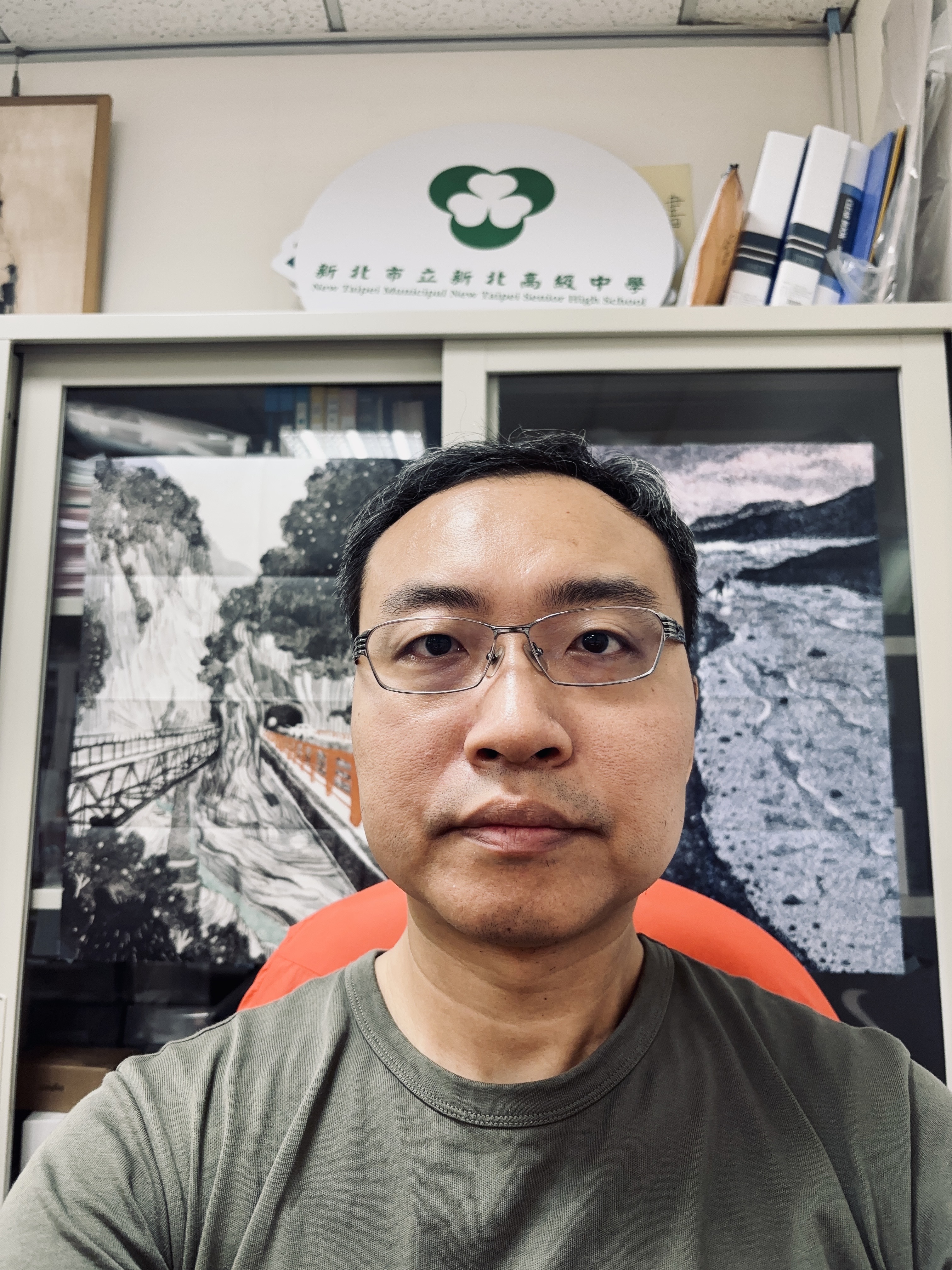
講者/Speaker: 張木嘉, CHANG,MU-CHIA
依據《十二年國教課綱》之「科技資訊與媒體素養」(B2)核心素養,學生應具備運用科技媒體進行分析、思辨與批判的能力。然而,根據2024年V-Dem報告,臺灣已連續11年成為全球境外假訊息干擾最嚴重的國家。在「後真相時代」下,生成式AI降低造假門檻,輔以社群媒體演算法的「同溫層效應」,使資訊環境更趨複雜。身為教育第一線的高中教師,觀察到青少年雖為「數位原住民」,卻極易在資訊操弄中迷失,因此提升媒體識讀能力已刻不容緩。傳統的識讀教育多偏重被動接收,本課程特別轉化為「產製者視角」。透過「動手做」的歷程,讓學生利用AI創作繪本與影片,親身體驗資訊如何被建構與重組,進而理解訊息的真偽。此外,針對多元選修課時數有限的限制,課程策略性地導入生成式AI工具(如ChatGPT、HelloGPT、FlexClip等),不僅加速了討論與產出效率,更能將課堂重心聚焦於高層次的思維發想與查核辨析。
課程以「媒體素養資訊策展」為核心任務,串聯多元數位工具建構互動式學習環境:
一、 即時互動與發想:利用Nearpod進行授課與課堂互動,並以Canva九宮格激發創意。
二、 資料整合與協作:透過Padlet彙整素材,實踐資訊查核與內容整合。
三、 產製與發表:運用生成式AI輔助繪本與影像製作,最終要求學生將成果建置為網站向外發表。
本課程遵循PBL(專題式學習)之精神,強調「真實任務」與「公開發表」。學生不僅是在完成課堂作業,更是在真實世界脈絡中實踐批判性思維。透過整合科技工具與查證素養,我們期望培養學生具備數位時代的公民責任感,轉化為能夠應對未來挑戰的「行動學習者」。
According to the “Technology, Information, and Media Literacy” (B2) core competency outlined in Taiwan’s 12-Year Basic Education Curriculum Guidelines, students are expected to develop the ability to analyze, interpret, and critically evaluate information through digital and technological media.
However, according to the 2024 V-Dem (Varieties of Democracy) Report, Taiwan has ranked as the country most affected by foreign disinformation campaigns for 11 consecutive years. In this “post-truth era,” generative AI has significantly lowered the barriers to producing false or misleading content, while social media algorithms further intensify the “echo chamber effect,” making the information environment increasingly complex.
As high school teachers working on the front lines of education, we have observed that although adolescents are often considered “digital natives,” they remain highly vulnerable to misinformation and online manipulation. Therefore, strengthening media literacy has become an urgent educational priority.
Traditional media literacy education often emphasizes passive reception and analysis of information. In contrast, this course shifts students from passive consumers to active content creators. Through hands-on learning experiences, students use AI tools to create picture books and videos, allowing them to experience firsthand how information is constructed, reframed, and disseminated. Through this process, students gain a deeper understanding of how media messages influence perception and interpretation.
Furthermore, in response to the limited instructional hours available in elective courses, the curriculum strategically incorporates generative AI tools such as ChatGPT, HelloGPT, and FlexClip. These tools not only improve discussion and production efficiency but also allow classroom time to focus more deeply on higher-order thinking, creative ideation, fact-checking, and critical inquiry.
Core Task & Digital Tool Integration
The course is centered on “Media Literacy and Information Curation” as its core task, integrating a variety of digital tools to construct an interactive learning environment:
Real-time Interaction and Ideation
Using Nearpod for classroom instruction and interactive learning activities, alongside Canva’s 9-square brainstorming grid to stimulate creativity and idea development.
Information Integration and Collaboration
Using Padlet to collect and organize learning materials while practicing fact-checking and content integration.
Production and Public Presentation
Applying generative AI tools to support picture book and video production, with students ultimately building websites to publicly showcase their learning outcomes.
Embodying the principles of Project-Based Learning (PBL), this course emphasizes authentic tasks and public presentation. Students are not merely completing classroom assignments; they are engaging in critical thinking within real-world contexts. By integrating technological tools with media literacy and fact-checking skills, the course aims to cultivate students’ sense of civic responsibility in the digital age and empower them to become action-oriented learners capable of navigating future challenges.
- 論文全文:繪影成真—AI時代下的媒體素養創發與實踐
- 影像: 相關影片